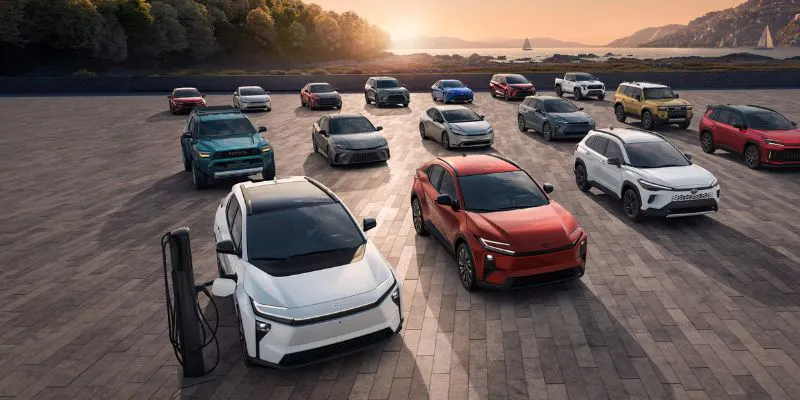
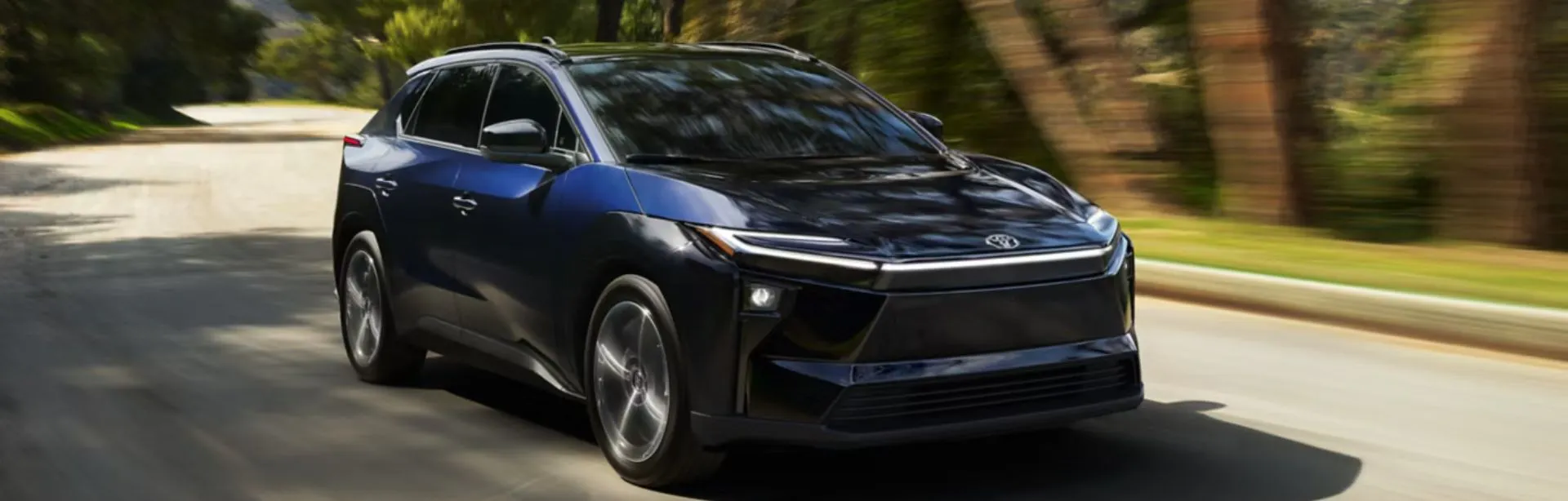
Experience the Next Era of Driving. Fred Anderson Toyota of Cape Coral is thrilled to present a premier selection of Toyota electric and electrified vehicles in Southwest Florida, highlighting a carefully chosen lineup of cutting-edge automotive innovations. We have brought together detailed model insights and vital resources in a single, streamlined hub to empower our drivers to transition to electrified performance with complete peace of mind. Whether you are drawn to the whisper-quiet efficiency of the zero-emission, all-electric bZ4X or the dual-energy versatility of the advanced RAV4 Prime plug-in hybrid, our knowledgeable team is ready to walk you through charging alternatives, driving ranges, and exceptional tech capabilities.
Explore our detailed Toyota electrified resources below and begin your adventure toward cleaner, more efficient daily commutes.
Experience the future of driving at Fred Anderson Toyota of Cape Coral! We’re proud to showcase Toyota’s impressive lineup of electric vehicles, from the all-electric bZ4X SUV to our range of powerful hybrids and plug-in hybrids. Toyota combines its legendary reliability with cutting-edge, eco-friendly technology, offering the perfect blend of performance, style, and sustainability. Visit us today to test drive the future.
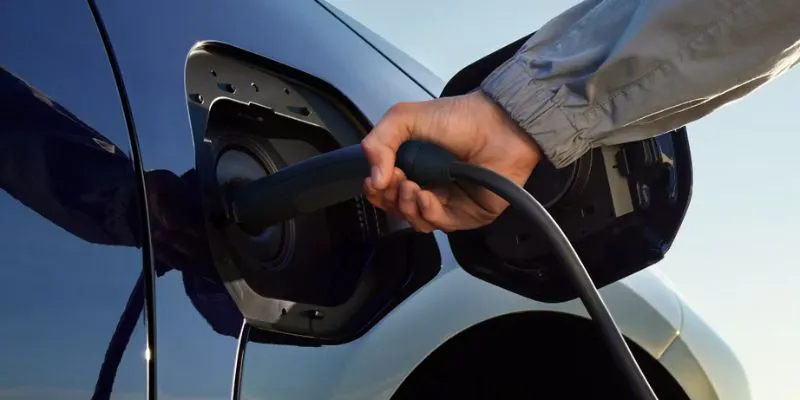
The charging time for an EV can vary significantly based on the battery size and the type of charger used. A standard Level 1 charger (using a regular household outlet) can take 24 hours or more for a full charge. A Level 2 charger, often installed at home or found in public charging stations, can fully charge an EV in 4-8 hours. A Level 3 charger, or DC Fast Charger, can charge a battery to 80% in just 20-30 minutes.
The range of an electric car depends on the model, battery size, driving conditions, and even the weather. Most modern EVs offer a range of 250 to 350 miles on a single charge. Some long-range models can even exceed 400 miles, making them suitable for long-distance travel.
Generally, electric cars are cheaper to maintain than their gasoline counterparts. EVs have fewer moving parts in the engine (no oil changes, spark plugs, or timing belts to replace). The main maintenance costs for an EV are typically related to tires, brakes, and battery health. Over the lifetime of the vehicle, these savings can significantly offset the higher initial purchase price.
Yes, cold weather can temporarily reduce the range and performance of an EV’s battery. The electrochemical reactions in the battery slow down in colder temperatures, and using the car’s heater consumes a significant amount of energy. On average, you can expect a range reduction of about 20% in freezing temperatures, though this varies by model. Many newer EVs have features like battery preconditioning to help mitigate these effects.
 EN
EN ES
ES